
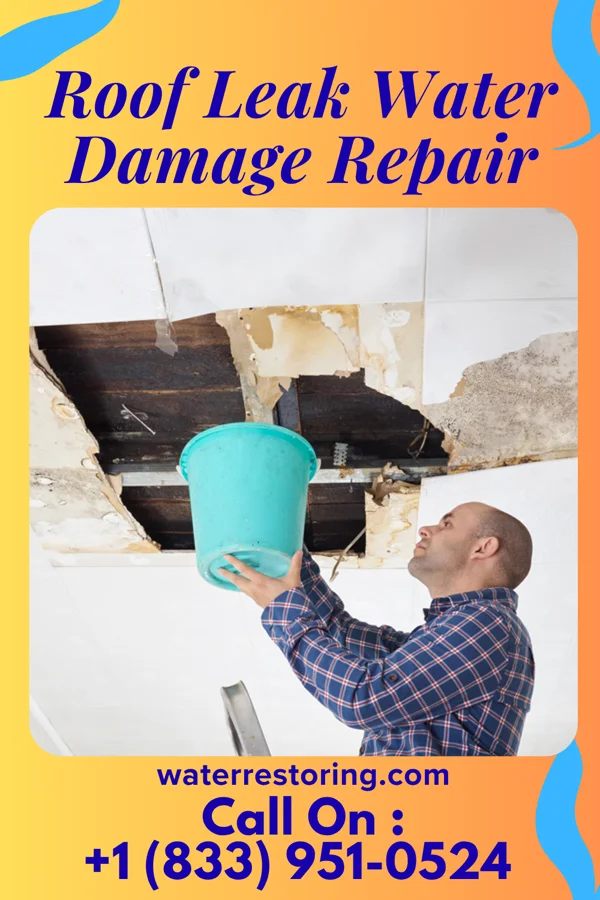
Roof Leaks Across Jacksonville Neighborhoods
Every neighborhood in Jacksonville has a different water damage risk profile. The one that shows up on most restoration calls is Jacksonville, North Carolina experiences frequent thunderstorms and heavy rainfall, especially during the spring and summer months. The region's humid climate can lead to prolonged moisture exposure, increasing the risk of roof leaks and water damage. These conditions are exacerbated by the proximity to the Atlantic Ocean, which contributes to high humidity and frequent afternoon showers.. A close second is The area is also prone to tropical storm threats, which can bring sudden and severe downpours. Even during non-hurricane seasons, the consistent humidity and occasional heavy rain events can stress roofing systems, leading to water infiltration and structural damage..
The combination of high humidity, frequent rain, and occasional tropical storm activity in Jacksonville creates a challenging environment for roofing systems. These conditions can lead to premature wear, mold growth, and structural damage if not addressed promptly.
Water damage in Jacksonville follows a few local patterns. Jacksonville, North Carolina experiences frequent thunderstorms and heavy rainfall, especially during the spring and summer months. The region's humid climate can lead to prolonged moisture exposure, increasing the risk of roof leaks and water damage. These conditions are exacerbated by the proximity to the Atlantic Ocean, which contributes to high humidity and frequent afternoon showers. accounts for the bulk of our calls. The combination of high humidity, frequent rain, and occasional tropical storm activity in Jacksonville creates a challenging environment for roofing systems. These conditions can lead to premature wear, mold growth, and structural damage if not addressed promptly. In Jacksonville, mold can begin to grow within 48 hours of water exposure, especially in the humid climate. This rapid mold growth can lead to secondary damage, including structural weakening, health risks, and costly repairs if not addressed quickly.